Emerald Horizon George Weah Biography | 2026 Football Legacy, Political Resonance, Post-Presidency Influence & Contemporary Spotlight

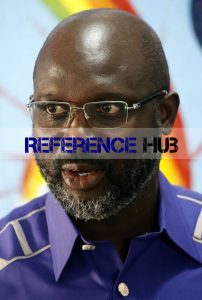
George Manneh Oppong Weah was born on October 1, 1966, in Monrovia, Liberia. He grew up in a poor neighborhood, where his love for football began at an early age. Despite limited resources, he showed remarkable talent and determination, which later opened doors for him in both sports and leadership.
He attended local schools in Monrovia and later pursued further studies at DeVry University in the United States. His education gave him a broader perspective, but football remained his main passion and career path.
George started playing for local Liberian clubs such as Young Survivors, Bong Range United, Mighty Barrolle, and Invincible Eleven. His skills soon attracted international attention, and he moved to Cameroon to play for Tonnerre Yaoundé. From there, his journey to Europe began, where he joined AS Monaco, Paris Saint-Germain, and later AC Milan. He also played for Chelsea and Manchester City in England.
His football career reached its peak in 1995 when he won the Ballon d’Or, becoming the first and only African player to achieve this honor. In the same year, he was named FIFA World Player of the Year and African Footballer of the Year. Known for his speed, strength, and goal-scoring ability, George Weah became one of the greatest strikers in football history and an inspiration to African players worldwide.
After retiring from football in 2003, George transitioned into politics. He ran for office several times before being elected Senator for Montserrado County in 2014. In January 2018, he became the 25th President of Liberia, succeeding Ellen Johnson Sirleaf. His presidency focused on education, infrastructure, and anti-corruption reforms, though he faced challenges with economic stability and governance. He served until January 2024, when Joseph Boakai succeeded him.
George Weah is married to Clar Duncan Weah, and together they have four children. His son Timothy Weah followed in his footsteps and became a professional footballer, representing the United States national team.
At 59 years old, George Weah’s biography reflects resilience, talent, and leadership. From his humble beginnings in Monrovia to his rise as a global football star and later President of Liberia, he has shown how determination can shape destiny. His legacy lies in being both a football legend and a political leader, inspiring future generations in sports and governance across Africa and beyond.
George Weah Political Evolution and Presidential Term
Transitioning from the football pitch to the corridors of power, this leader embarked on a journey to reshape his nation’s future. After hanging up his boots in 2003, he did not retreat into a quiet retirement. Instead, he channeled his massive popularity into a political movement. He first ran for the highest office in 2005, and though he faced setbacks, his resolve remained firm. He eventually served as the Senator for Montserrado County starting in 2014, which provided him with the legislative experience needed for higher office. By January 2018, he succeeded Ellen Johnson Sirleaf, marking a historic democratic transition in Liberia. His presidency focused heavily on improving the lives of the poor, investing in road infrastructure, and expanding access to education. Despite facing significant economic hurdles and the pressure of public expectations, he remained a central figure in Liberian governance until Joseph Boakai succeeded him in early 2024.
George Weah Global Football Mastery and Historic Awards
The world of sports witnessed a meteoric rise when this striker arrived on the European stage. His career is defined by stints at some of the most prestigious clubs on the planet, including AS Monaco, Paris Saint-Germain, and AC Milan. He also brought his talents to the English Premier League with Chelsea and Manchester City. The year 1995 stands as the pinnacle of his athletic achievements. During this remarkable period, he was named the FIFA World Player of the Year and won the prestigious Ballon d’Or. To this day, he remains the only African player to ever receive the Ballon d’Or, a feat that solidified his status as a global icon. His style of play combined raw power with incredible technical skill, allowing him to score solo goals that are still replayed by fans today. He inspired a whole generation of African athletes to believe that the highest honors in football were within their reach.
George Weah Academic Path and Educational Pursuits
Beyond the physical demands of his dual careers, he recognized the vital importance of formal learning. His early schooling took place within the local systems of his hometown, where he balanced his studies with a growing obsession for sports. However, he knew that to lead effectively and manage his affairs, he needed further instruction. Later in life, he sought higher education in the United States, enrolling at DeVry University. This move was widely seen as a response to critics who questioned his readiness for high-level administration. By pursuing a degree in business administration, he demonstrated a commitment to self-improvement that mirrored his dedication on the training field. This academic journey was not just about obtaining a diploma; it was about equipping himself with the analytical tools necessary to navigate the complexities of international sports management and, eventually, national leadership.
George Weah Early Environment and Formative Years
Growing up in the Clara Town slum of Monrovia, the future icon faced the harsh realities of poverty from the start. Life in this coastal capital was a constant struggle, yet the dusty streets served as the perfect training ground for his blossoming talent. He was raised primarily by his grandmother, who instilled in him the values of hard work and persistence. While many around him faced limited opportunities, he used football as a primary escape and a way to build a community. These formative experiences in the difficult neighborhoods of Liberia deeply influenced his later political philosophy, which often centered on the “pro-poor” agenda. He never forgot the struggles of the youth in the places where he first kicked a ball made of rags. This deep connection to his roots provided him with a unique brand of authenticity that resonated with the masses throughout his life.
George Weah Family Life and Sporting Successors
Away from the public eye and the intense pressure of the presidency, he maintains a close-knit domestic life. He has been married to Clar Duncan Weah since 1993, and she has been a steady presence throughout his transition from an athlete to a statesman. Together, they have raised four children who have carved out their own paths. Interestingly, the family’s athletic DNA has continued into the next generation. His sons, George Weah Jr. and Timothy Weah, both followed in their father’s footsteps by becoming professional footballers. Timothy Weah has notably gained international fame by playing for the United States national team and competing at the highest levels of European club football. This family dynamic highlights a unique legacy where the father’s sporting excellence serves as a foundation for his children’s independent successes, bridging different cultures and national identities through the medium of sport.
George Weah Professional Roots in African League Football
Before becoming a household name in Europe, he had to prove his worth in the competitive leagues of West Africa. He began his journey with several local Liberian clubs, including Young Survivors and Bong Range United. He eventually moved to larger domestic teams like Mighty Barrolle and Invincible Eleven, where his goal-scoring ability started to attract international scouts. A pivotal moment in his career occurred when he moved to Cameroon to play for Tonnerre Yaoundé. It was during his time in Cameroon that his talent was spotted by Arsène Wenger, who was then the manager of AS Monaco. This connection proved to be the bridge that allowed him to move from the African continent to the French league. These early years were essential for developing the physical toughness and clinical finishing that would later make him a nightmare for European defenders.
George Weah Lasting Influence and Historic Contributions
The impact of this individual extends far beyond the trophies he won or the laws he signed. He stands as a powerful symbol of African excellence, proving that one can reach the absolute summit of multiple unrelated fields. His legacy is etched in the record books as a pioneer for African footballers, breaking down barriers and changing perceptions about the tactical intelligence of players from the continent. In the political realm, his presidency is remembered for maintaining peace in a region that has historically struggled with stability. Even after leaving office, his influence persists as he continues to advocate for youth empowerment and sports development. He remains a figure of hope for many who see his life as a blueprint for overcoming humble beginnings to achieve greatness. His journey serves as a reminder that the skills learned in the arena—discipline, teamwork, and resilience—are entirely transferable to the global stage.
George Weah Age (Tracking the timeline of a legendary African icon)
George Weah was born on October 1, 1966. As of March 2026, the current George Weah age is 59.
George Weah Wife (Exploring the private life of the former president)
George Weah is married to Clar Marie Duncan Weah. The couple wed on June 26, 1993. Clar Weah served as the First Lady of Liberia from 2018 until 2024. She is of Jamaican-American descent and is a professional nurse and businesswoman.
George Weah Tribe (Tracing the cultural heritage and ancestral ethnic roots)
George Weah belongs to the Kru ethnic group, which is primarily located in the southeastern region of Liberia. He also has ancestry linked to the Bassa tribe through his maternal lineage. These groups represent indigenous, non-Americo-Liberian populations within the country. Consistent with his heritage, his father originated from Grand Kru County while his mother was from Grand Bassa County.
George Weah Children (Looking at the next generation of the family)
George Weah has three biological children named George Weah Jr., Tita, and Timothy Weah. His youngest son, Timothy, is a prominent professional soccer player for the United States national team and Juventus. George Jr. also pursued a career in professional football, appearing for various European clubs and the United States under-20 side. Tita Weah, the only daughter, chose to focus on her academic studies rather than professional sports.
George Weah Nationality (The pride of representing a resilient West African nation)
George Weah is a citizen of Liberia by birth. He holds French nationality, having been naturalized in 2005 during his time living and working in Europe. As a Liberian national, he represented the country’s senior football team and served as its president. His dual citizenship status was a subject of legal and political discussion during his transition into public office.
George Weah Awards (Celebrating a career defined by unprecedented global honors)
George Weah received the Ballon d’Or and was named FIFA World Player of the Year in 1995. He won the African Footballer of the Year award in 1989, 1994, and 1995. In 1996, he was honored as the African Player of the Century. His individual accolades also include being the top scorer of the 1994–95 UEFA Champions League.
George Weah Profile Table (A summarized overview of key biographical career details)
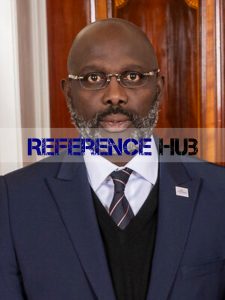
| Profile | Information |
| George Weah career | Politician and Retired Professional Footballer |
| George Weah real name | George Manneh Oppong Ousman Weah |
| George Weah age | 59 |
| George Weah date of birth | October 1, 1966 |
| George Weah net worth | Estimated $90 Million |
| George Weah wife / spouse | Clar Marie Duncan Weah |
| George Weah children | George Weah Jr., Tita Weah, Timothy Weah |
| George Weah parents | William T. Weah Sr. and Anna Quaye Weah |
| George Weah religion | Christianity (Methodist) |
| George Weah state of origin | Montserrado County, Liberia |
| George Weah alma mater | DeVry University |
| George Weah education | BA in Business Administration, MPA in Public Administration |
| George Weah nationality | Liberian and French |