Reevaluating Mbuyiseli Madlanga Biography | 2026 Judicial Legacy, Constitutional Influence, Media Spotlight & Governance Impact Dynamics

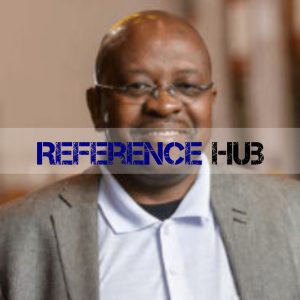
Mbuyiseli Russel Madlanga was born on 27 March 1962 in Njijini village, Mount Frere, Cape Province, South Africa. He grew up in a rural community where discipline and resilience shaped his early years. His childhood experiences inspired him to pursue education and justice. He attended Mariazell High School in Matatiele before moving on to higher studies.
He earned a BJuris degree in 1981 from the University of Transkei. He later obtained an LLB from Rhodes University and went on to complete an LLM cum laude at the University of Notre Dame in the United States. His academic excellence was recognized when Walter Sisulu University awarded him an honorary Doctor of Laws degree.
Madlanga began his career as an attorney and quickly rose in the legal profession. In 1996, President Nelson Mandela appointed him as a Judge of the High Court in the Transkei Division. He later served as Acting Judge President of the Transkei Division and Acting Justice of the Constitutional Court between 2000 and 2001. His reputation for fairness and deep knowledge of constitutional law grew steadily.
In 2013, President Jacob Zuma appointed him as a Justice of the Constitutional Court of South Africa. He served with distinction and became known for his landmark judgments on equality, freedom of expression, and governance. In 2024, President Cyril Ramaphosa elevated him to the position of Deputy Chief Justice. His leadership in the judiciary was marked by integrity and dedication to the rule of law.
His achievements include shaping constitutional jurisprudence in South Africa and mentoring young lawyers and judges. He worked mainly at the Constitutional Court in Johannesburg, where his influence extended across the nation. His success was measured not only by his titles but also by the impact of his judgments on society.
Madlanga faced challenges during politically sensitive cases and briefly resigned in 2001 before returning to the bench in 2013. Despite these difficulties, he maintained his reputation as a principled judge. He retired in July 2025 after more than a decade of service at the Constitutional Court.
He is married and has children, though he keeps his family life private. His legacy is tied to his role in strengthening South Africa’s judiciary and advancing constitutional democracy. He remains remembered as a judge who combined academic excellence with judicial wisdom and who left a lasting mark on the country’s legal system.
Mbuyiseli Madlanga Early Environment and Rural Upbringing
The foundations of this eminent jurist’s character were laid in the quiet, rural landscape of Njijini village. Located just outside Mount Frere in the Eastern Cape, this community provided a setting where traditional values and resilient spirit were paramount. Growing up in a household where education was highly prized—his father being a dedicated teacher—he was encouraged from a young age to look beyond the immediate horizon. This upbringing in a former homeland during the height of social segregation instilled in him a profound awareness of the importance of justice and human rights. Life in Mount Frere was not without its challenges, yet the tight-knit community fostered a sense of responsibility toward others. These formative years were instrumental in shaping his later desire to enter the legal profession. His journey from the dust of Njijini to the highest courts in the land serves as a powerful testament to the influence of a grounded and principled early life.
Mbuyiseli Madlanga Academic Pursuits and Global Legal Training
Academic excellence became a defining feature of his path toward judicial leadership. He began his formal legal education at the University of Transkei, where he consistently stood out, earning the Juta Prize for being the top law student. Seeking to broaden his horizons, he moved to Rhodes University to complete his LLB, a period marked by intense social unrest across the country. His thirst for knowledge eventually took him to the United States, where he attended the University of Notre Dame. There, he specialized in human rights and constitutional law, graduating with high honors. This international exposure was further enriched by an internship with Amnesty International in Washington, D.C., where he briefly encountered the recently released Nelson Mandela. These experiences provided him with a sophisticated, global perspective on the law. His scholarly dedication was later recognized with an honorary doctorate from Walter Sisulu University, cementing his reputation as a formidable intellectual within the legal fraternity.
Mbuyiseli Madlanga Professional Inception and Mandela Era Appointments
The start of his legal career saw him transitioning from an academic lecturer to a sharp practitioner at the Mthatha Bar. His early years were spent mastering the complexities of advocacy, where his precision and dedication quickly caught the attention of his peers. In a historic move in 1996, President Nelson Mandela appointed him to the bench of the Transkei Division of the High Court. At the remarkably young age of 34, he became the country’s youngest judge, a signal of the high regard in which he was held. This era was one of intense institutional transformation, and he played a pivotal role in stabilizing the judiciary in the post-apartheid period. He didn’t just preside over trials; he also took on leadership roles, serving as the Acting Judge President of the division. These initial years on the bench established his reputation as a fair and meticulous arbiter who was unafried to tackle difficult cases during a time of national rebuilding.
Mbuyiseli Madlanga Ascent to High Judicial Office and Apex Court Authority
His rise to national prominence was characterized by a series of steady and well-deserved elevations. In 2013, President Jacob Zuma appointed him as a Justice of the Constitutional Court, a role that placed him at the heart of South Africa’s democratic oversight. This appointment followed an impressive interview where his deep understanding of constitutional jurisprudence was on full display. His presence on the bench brought a new level of intellectual rigor to the court, and he was often referred to as one of its most influential legal minds. His journey reached a new peak in 2024 when President Cyril Ramaphosa elevated him to the position of Deputy Chief Justice. In this capacity, he helped lead the judiciary through a period of significant transition and reform. His career trajectory reflects a rare combination of technical mastery and the ability to command respect across the political and legal spectrum, making him a central figure in the country’s legal history.
Mbuyiseli Madlanga Scholarly Contributions and Influential Judicial Rulings
The impact of his work is most clearly seen in the landmark judgments he authored during his tenure on the bench. He is widely celebrated for his ability to translate complex constitutional principles into accessible and humane legal protections. His rulings often focused on the intersection of human dignity and the law, particularly in cases involving land rights, privacy, and social justice. One of his most notable contributions was an influential judgment that centered human dignity in the context of security of tenure for farm dwellers. Beyond his written opinions, he was a staunch advocate for the transformation of the legal system, ensuring it became more inclusive and representative of the South African population. His scholarly output extended to academia, where he served as a visiting professor at prestigious institutions and founded journals dedicated to judicial education. These achievements have not only shaped current law but have also provided a rigorous framework for future generations of legal professionals to follow.
Mbuyiseli Madlanga Occupational Realities and Apex Court Leadership
A typical day for this senior jurist involved a rigorous schedule of case reviews, deliberation with colleagues, and the meticulous drafting of opinions. Operating from the Constitutional Court in Johannesburg, his work required a delicate balance between individual legal analysis and the collaborative nature of an apex court. He was known for his collegiate approach, often working to find consensus among his fellow justices on the most contentious issues facing the nation. His professional life also extended into extra-judicial work, including his role as the Chief Evidence Leader for the Marikana Commission, where he navigated incredibly sensitive and tragic evidence with professional poise. Even as he managed the heavy administrative burdens of the Deputy Chief Justice role, he remained deeply committed to the scholarly aspects of his profession. This commitment to both the administrative and intellectual demands of the judiciary defined his tenure as a period of stability and high standards.
Mbuyiseli Madlanga Private World and Family Centered Values
While his professional life was conducted in the full glare of the public eye, he has always maintained a clear boundary around his personal affairs. He is a devoted family man, married to Nosisi Madlanga, with whom he has raised seven children. This commitment to his family was so profound that it even led him to briefly resign from the bench in 2001 to return to private practice, citing the financial pressures of providing for a large household. This decision highlighted his practical and grounded nature, showing a man who prioritized the well-being of his loved ones alongside his public service. Outside of the courtroom, he is known to be an active member of his church, serving on arbitration panels and contributing to community governance. This private world provided him with the necessary balance to handle the immense pressures of his judicial career, ensuring that his public decisions were always rooted in a strong sense of personal integrity.
Mbuyiseli Madlanga Career Hurdles and Ethical Navigation
The path of a high-court judge in a developing democracy is rarely without friction, and his career was marked by several significant challenges. Navigating the political sensitivities of the South African legal landscape required a steady hand and an unshakeable commitment to judicial independence. He faced scrutiny during various high-stakes commissions and interviews, where he had to defend his vision for the judiciary against political pressure. One of the most notable challenges was his initial departure from the bench in 2001, a move that was rare for a judge of his stature but necessary for his personal circumstances. Returning to the judiciary in 2013 meant he had to prove himself all over again, which he did with remarkable speed. His ability to maintain his reputation for integrity while handling cases that often pitted the state against its citizens is perhaps his greatest professional hurdle overcome. These experiences only served to strengthen his resolve and clarify his dedication to the rule of law.
Mbuyiseli Madlanga Jurisprudential Heritage and Professional Prospects
As he entered retirement in July 2025, his legacy within the South African judiciary was already firmly established. He is remembered as an intellectual leader who brought both gravitas and compassion to the bench. His work in shaping constitutional law will influence legal arguments for decades to come, particularly in the realm of socio-economic rights and human dignity. Retirement has not meant a withdrawal from public service; instead, it has opened a new chapter as he takes on the significant task of chairing the Judicial Commission of Inquiry into corruption and interference within the criminal justice system. This role reflects the enduring trust the nation places in his fairness and analytical ability. His future prospects remain tied to this vital work of national cleaning and reform, ensuring that his influence on the South African justice system continues long after he has hung up his judicial robes.
Mbuyiseli Madlanga Age (Tracking Chronological Development and Personal Milestones)
Mbuyiseli Russel Madlanga was born on 27 March 1962 in the village of Njijini, Mount Frere. As of early 2026, the current Mbuyiseli Madlanga age is 63 years.
Mbuyiseli Madlanga Wife (Examining Marital Life and Shared Domestic Bonds)
Mbuyiseli Madlanga is married to Nosisi Monica Madlanga. Her maiden name is Nkenkana. She does not work within the legal fraternity.
Mbuyiseli Madlanga Tribe (Cultural Heritage and Ancestral Group Affiliation)
Mbuyiseli Madlanga belongs to the amaHlubi people. He is specifically identified with the Radebe clan. This cultural identity is rooted in the Eastern Cape region where he was born and raised. The Mbuyiseli Madlanga tribe and clan heritage were noted during his judicial interviews and profile highlights.
Mbuyiseli Madlanga Nationality (Sovereign Allegiance and Regional Identity Framework)
Mbuyiseli Madlanga is a South African citizen. His status as a national of the Republic of South Africa is confirmed by his career-long service in the country’s highest judicial offices. He was born within the Cape Province and has exclusively represented the South African state in international legal matters. The Mbuyiseli Madlanga nationality is a core requirement for his eligibility as a Justice of the Constitutional Court.
Mbuyiseli Madlanga Political Party (Exploring Ideological Connections and Civic Alignment)
Mbuyiseli Madlanga has no formal affiliation with any political party. As a senior member of the South African judiciary, he is professionally required to maintain strict non-partisanship and impartiality. His judicial independence is a core requirement for his service in the Constitutional Court. Consequently, there is no public record of a Mbuyiseli Madlanga political party membership or endorsement.
Mbuyiseli Madlanga Salary (Reviewing Remuneration Scales and Professional Compensation)
As of 2025, the total annual remuneration for the position of Deputy Chief Justice, which this individual held prior to his retirement, is set at R3,039,009. This figure follows a 4.1% salary adjustment for members of the judiciary approved for the 2025/2026 financial year. In his previous capacity as a Justice of the Constitutional Court, the established annual pay was R2,701,451. These amounts represent the official government-gazetted earnings associated with the keyword Mbuyiseli Madlanga salary. Under South African law, retired judges continue to receive their full salary as a lifetime pension after discharge from active service.
Mbuyiseli Madlanga Profile Table (Organizing Key Biographical Metrics for Quick Reference)
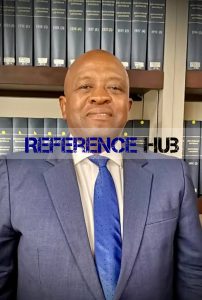
| Profile | Information |
| Mbuyiseli Madlanga career | Retired Justice of the Constitutional Court; Chancellor of Rhodes University; Chairperson of the Madlanga Commission |
| Mbuyiseli Madlanga real name | Mbuyiseli Russel Madlanga |
| Mbuyiseli Madlanga age | 63 years |
| Mbuyiseli Madlanga date of birth | 27 March 1962 |
| Mbuyiseli Madlanga net worth | Not known |
| Mbuyiseli Madlanga wife / spouse | Nosisi Monica Madlanga (née Nkenkana) |
| Mbuyiseli Madlanga children | 7 children |
| Mbuyiseli Madlanga parents | Not known (Father was a teacher) |
| Mbuyiseli Madlanga religion | Methodist (Member of the Methodist Church of Southern Africa) |
| Mbuyiseli Madlanga state of origin | Eastern Cape, South Africa (Born in Mount Frere) |
| Mbuyiseli Madlanga alma mater | Rhodes University; University of Notre Dame; University of Transkei |
| Mbuyiseli Madlanga education | BJuris (University of Transkei); LLB (Rhodes University); LLM (University of Notre Dame); LLD honoris causa |
| Mbuyiseli Madlanga nationality | South African |